The Team That Never Stops Improving
From persistent team context to autonomous teammates: building an engineering organization that learns, prepares, and improves around the clock.
Thoughts on AI, technology, engineering, life, and my interests. Bouncing ideas with AI.
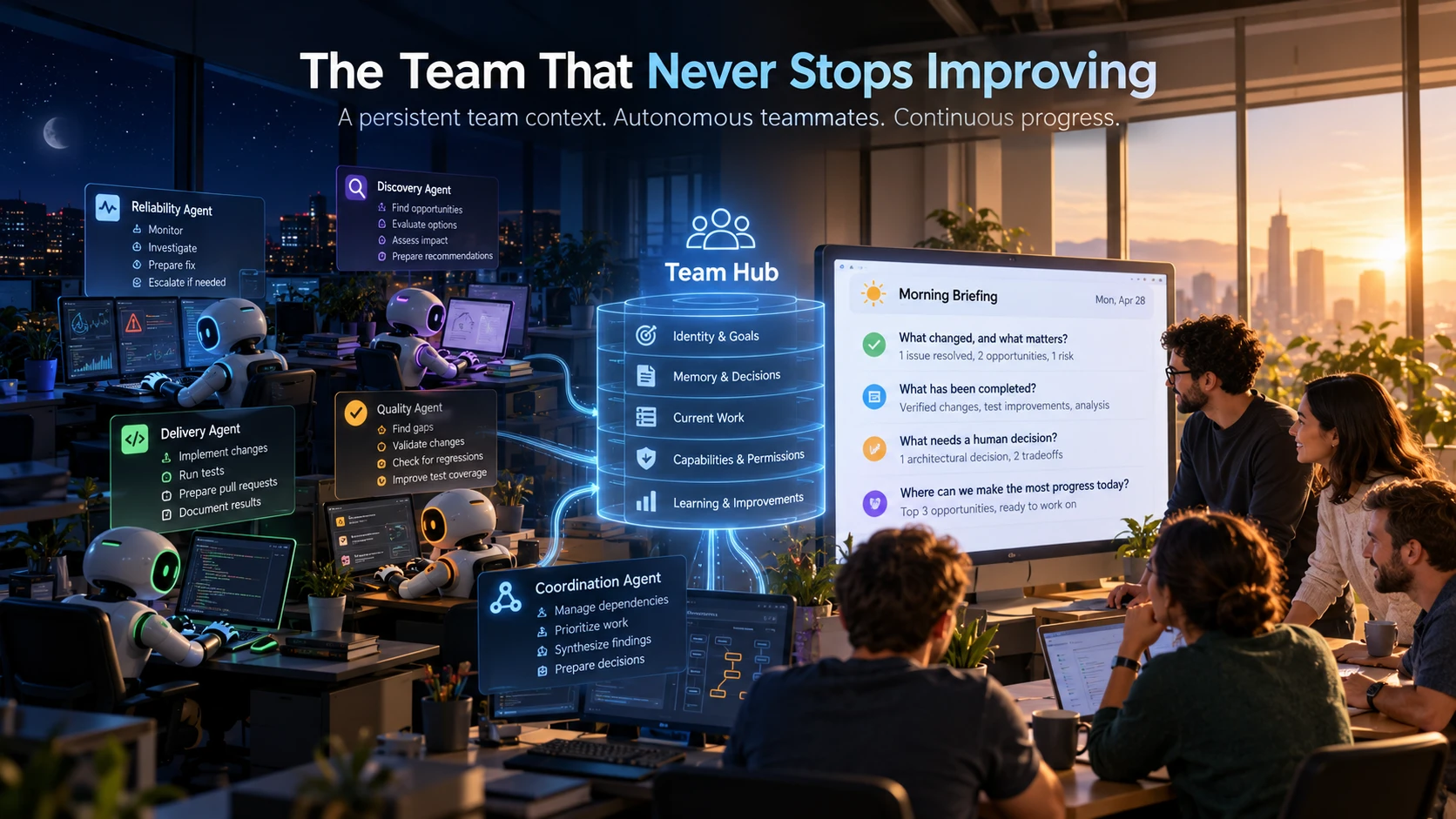
From persistent team context to autonomous teammates: building an engineering organization that learns, prepares, and improves around the clock.
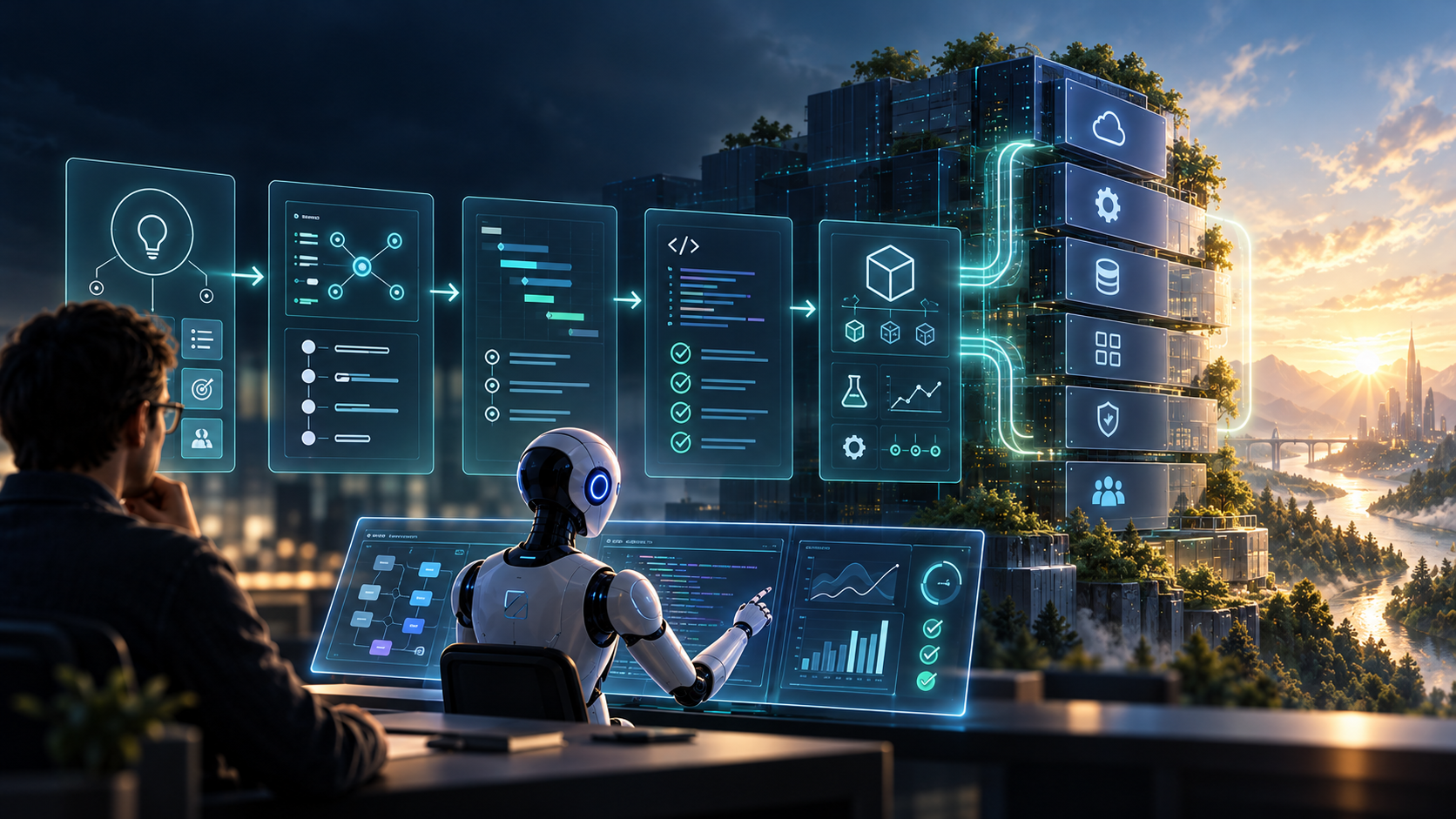
Why AI-native engineering should optimize for the largest coherent, reliably executable task, and how context, validation, and maturity change that boundary.

The minimum efficient size of an organization may be collapsing while the potential power of a well-run enterprise grows. Which side adapts faster?

A successful software factory needs a source of new possibilities, a way to test uncertain ideas, and feedback that improves what it builds next.
Teams can improve while the company stays slow. The next ceiling is how it chooses investments, connects teams, resolves conflicts, and redirects resources.

Agents raise the production ceiling. How much useful change a team can sustainably carry depends on decisions, verification, adoption, and renewal.

Meeting-Free Fridays protect time. AI-Free Fridays could protect thinking, connection, and the space to feel accomplished.
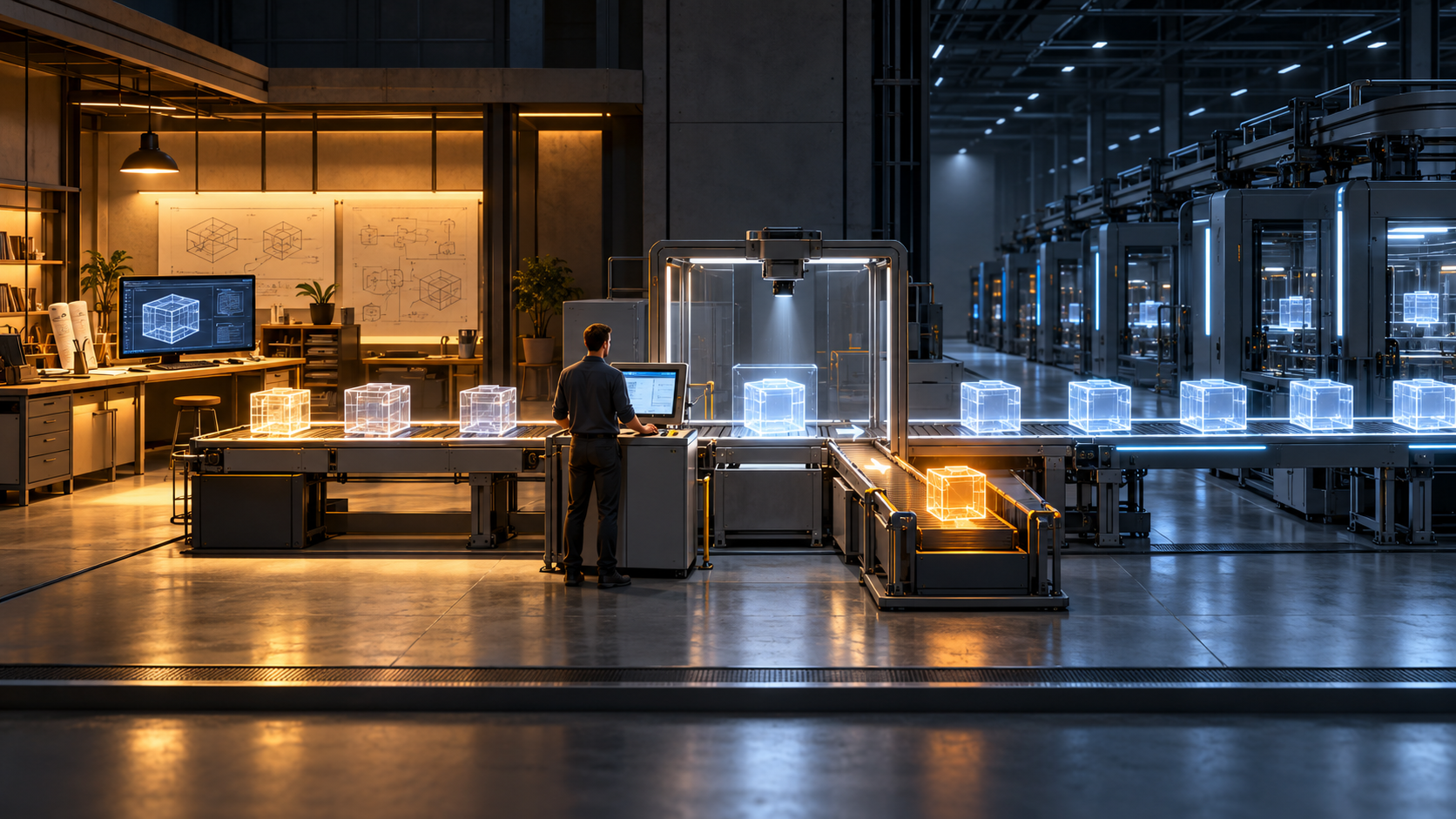
From classic SDLC to AI-assisted delivery and bounded autonomy: how to automate a software factory without losing judgment, predictability, or quality.
What if code, specifications, and documents became editable views of one AI-native artifact? A proposal for languages and version control beyond source files.
The book provides the operating model. Your company provides the evidence. AI can map the two into a playbook, if the organization is legible enough to assess.

The ideas behind AI-native engineering no longer fit into isolated articles. I am bringing them together as a versioned, continuously updated operating manual.
Autonomous delivery's building blocks already exist. The harder problem is connecting them into a governed loop that observes, executes, evaluates, and learns.
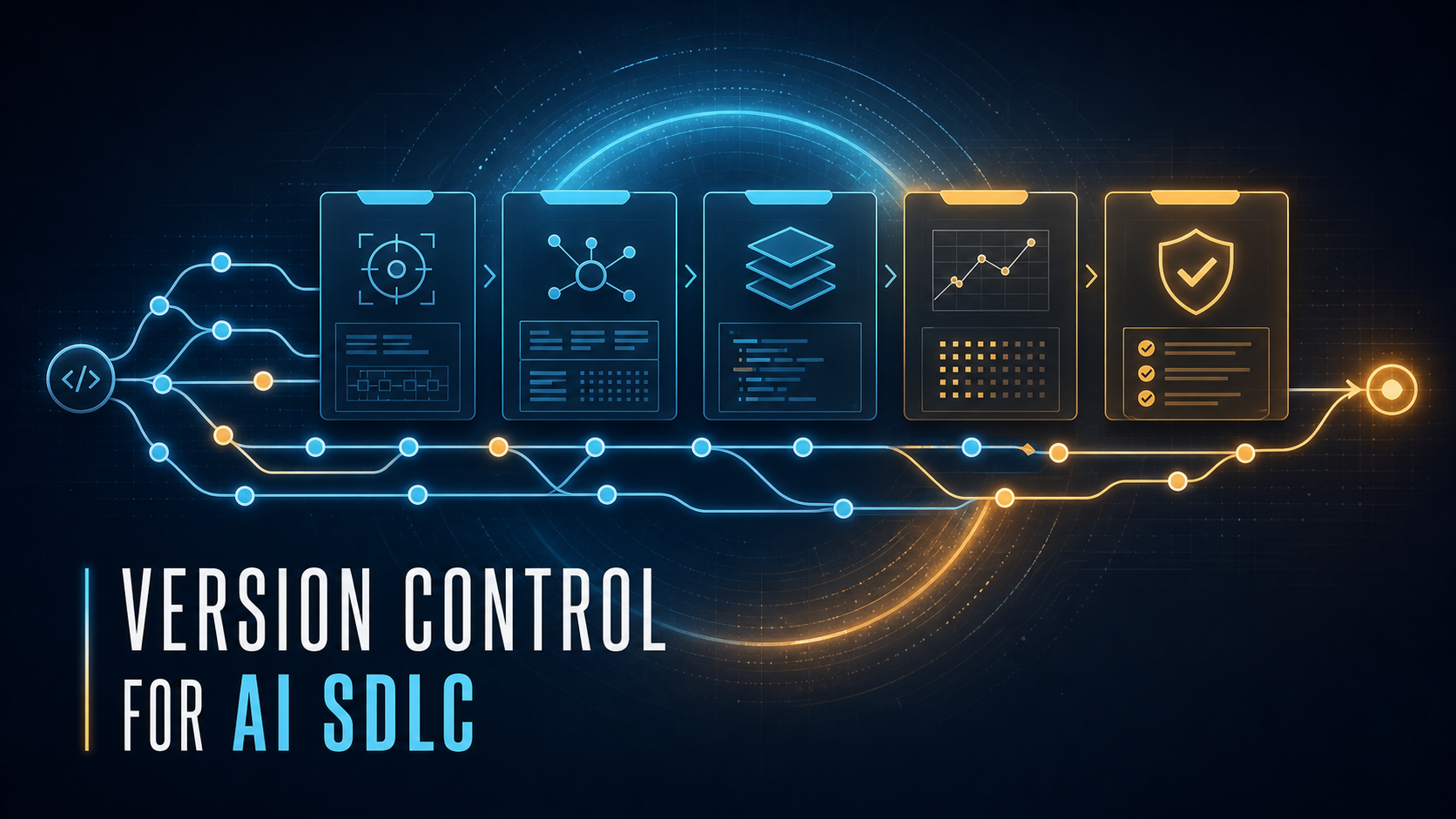
A concrete design proposal for extending Git-like workflows with intent, context, verification, semantic diffs, and engineering lineage.
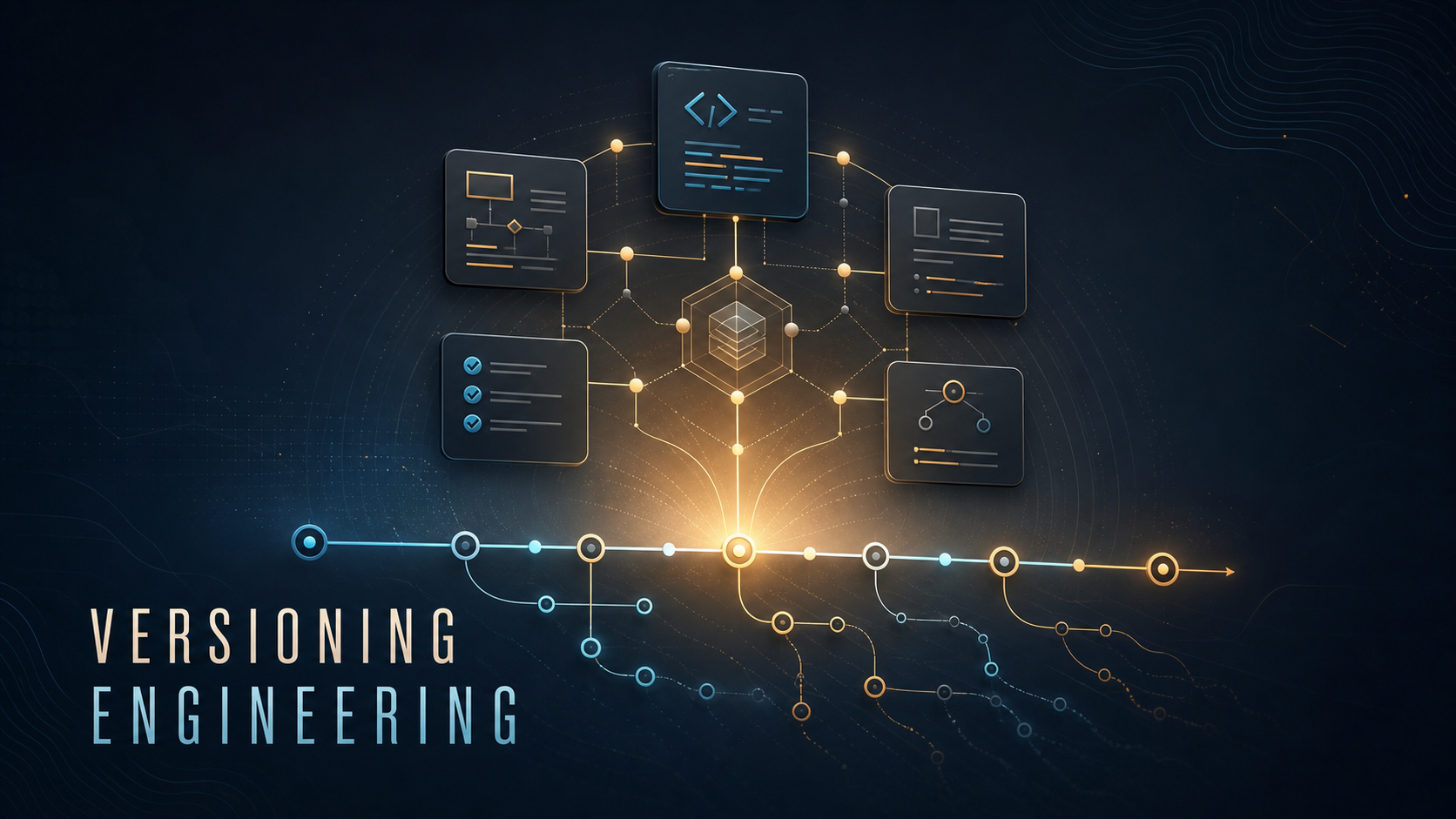
A high-level design argument for expanding version control from implementation history to engineering history in the AI SDLC.
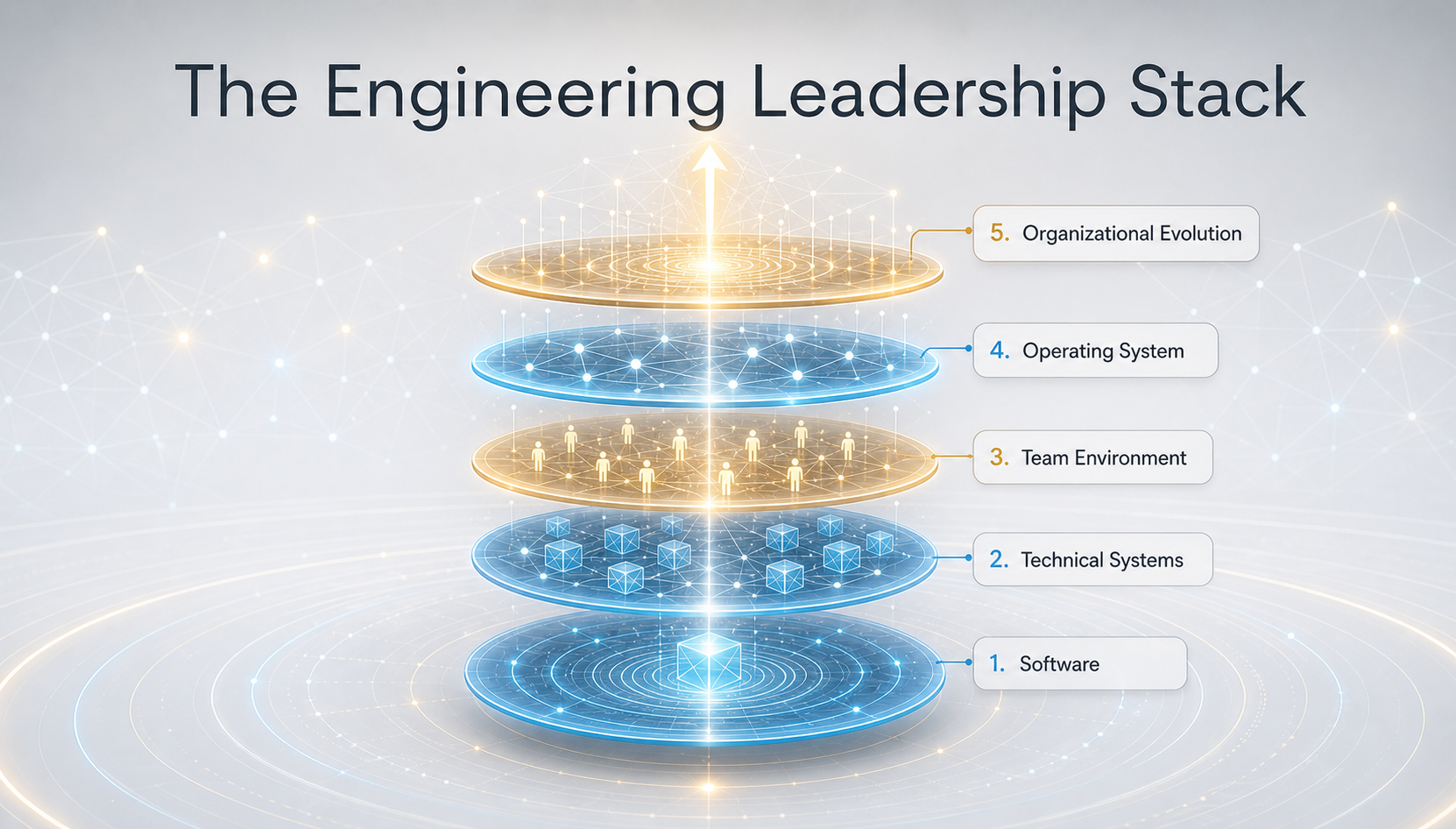
AI does not eliminate engineering leadership. It raises the level of abstraction at every layer.
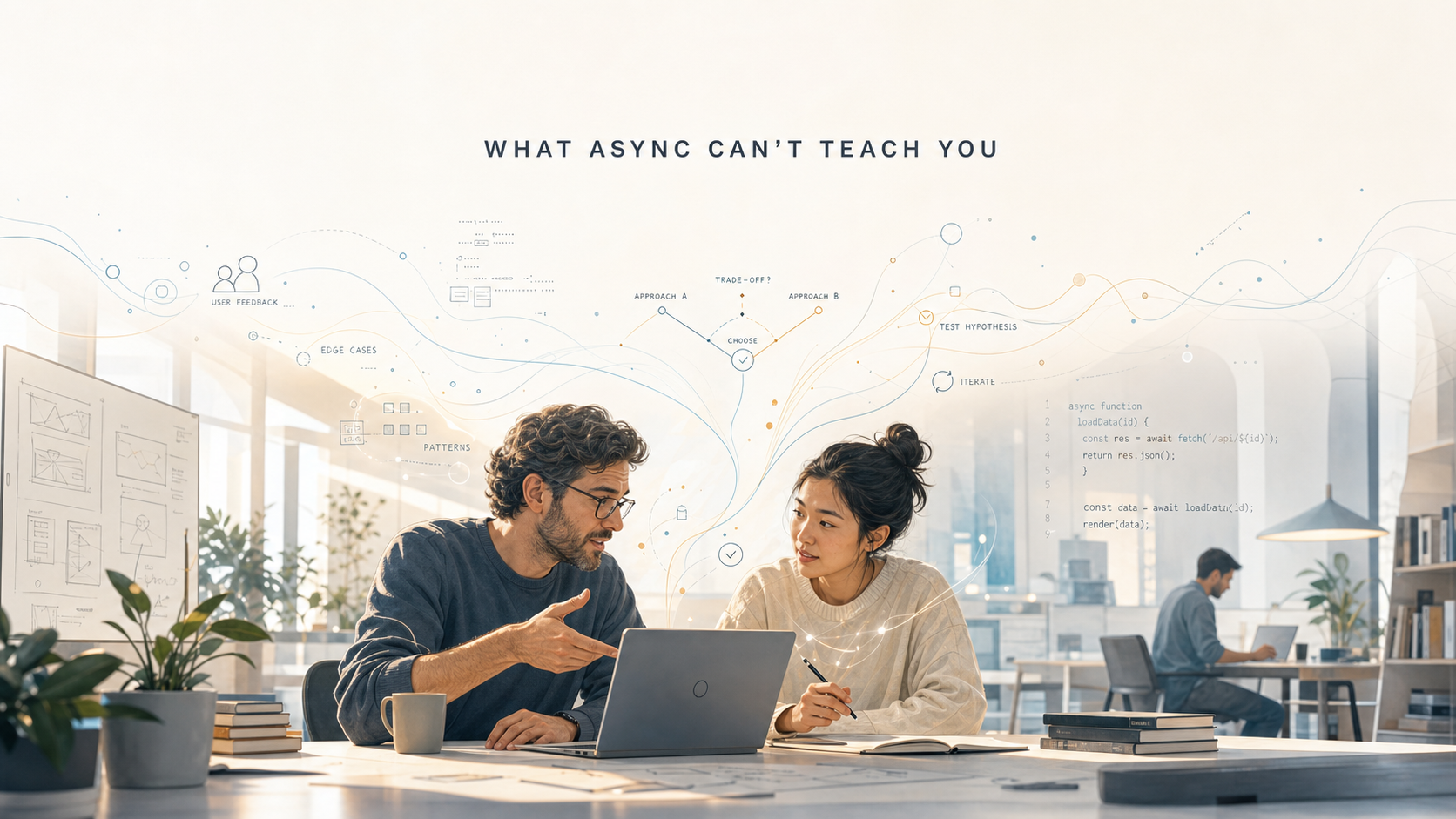
Async and AI make engineering execution more scalable, but teams still need intentional human apprenticeship to transfer judgment, intuition, and taste.
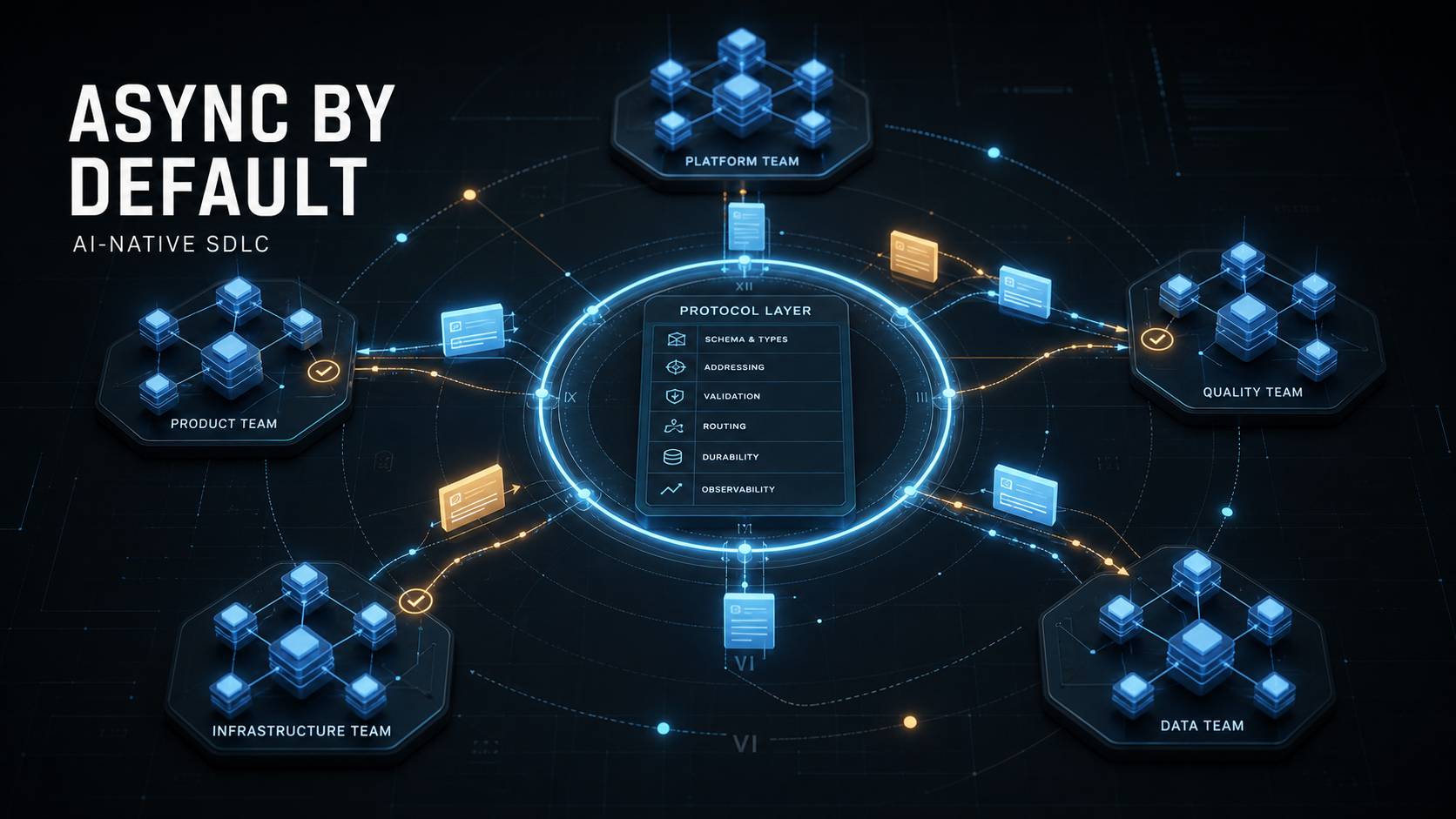
How structured asynchronous communication can replace broadcast updates with addressable, actionable, and AI-routable engineering artifacts.
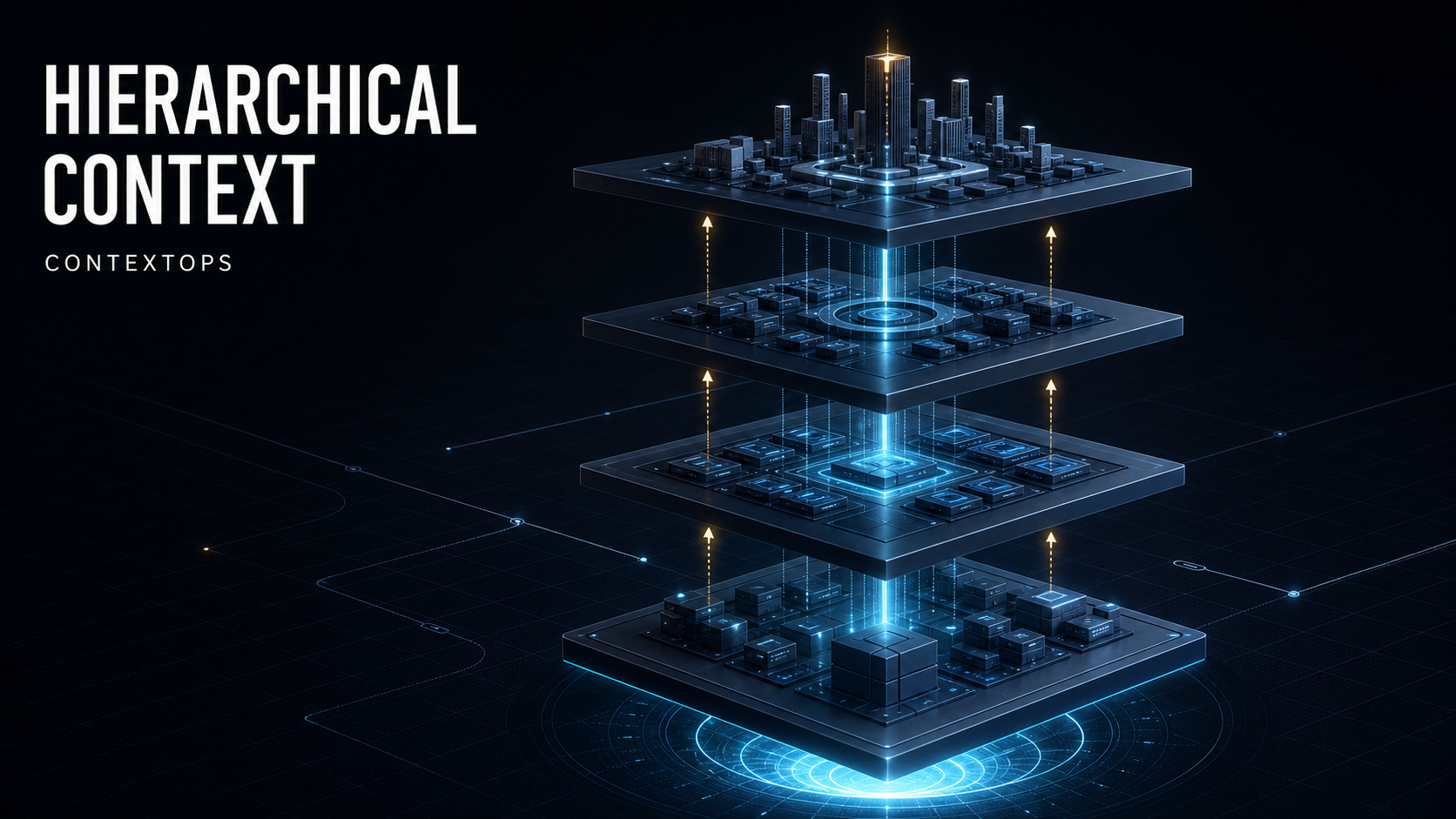
A hierarchical architecture for organizing operational knowledge so humans and AI can build software together.
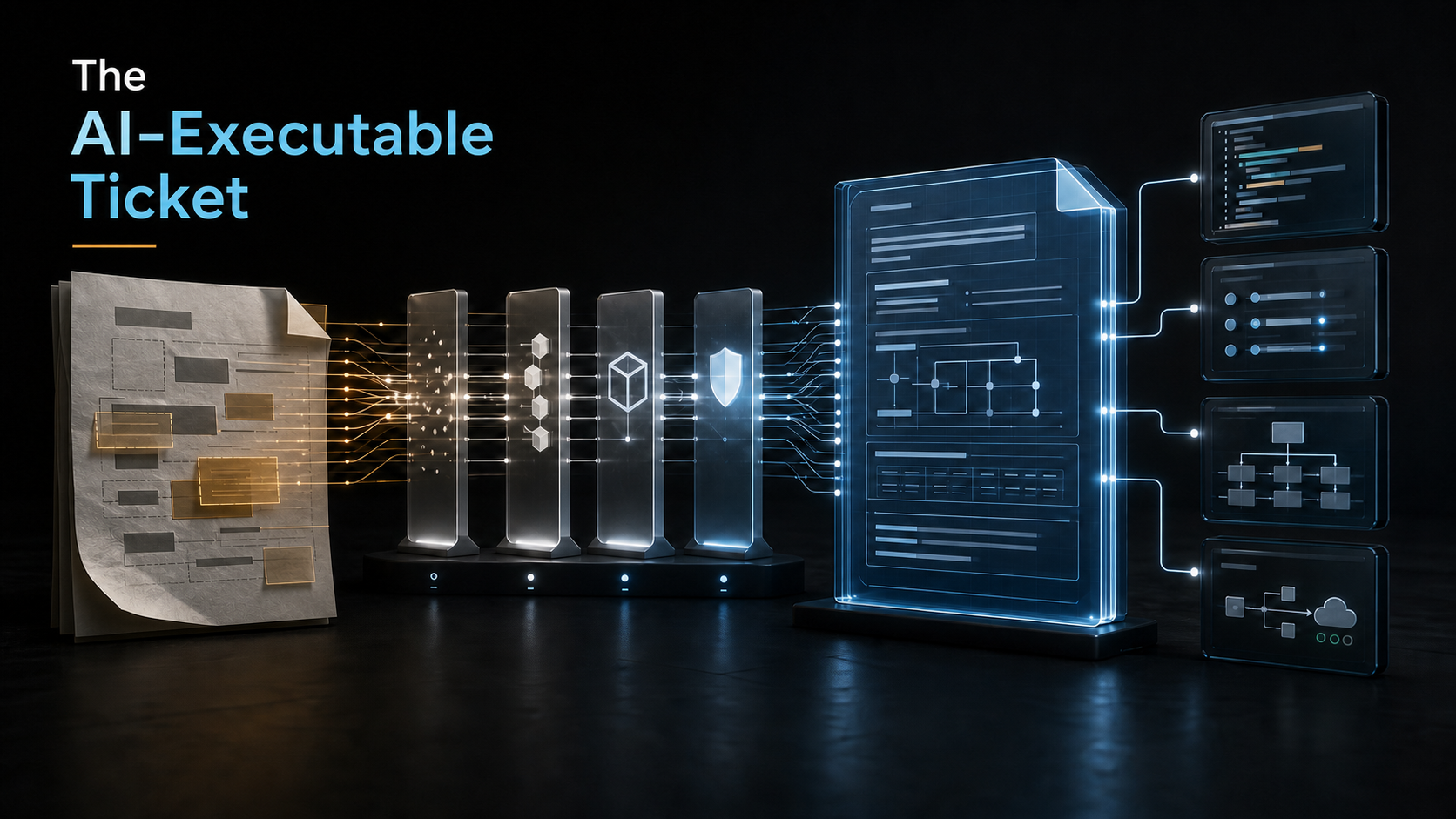
When an agent reads your Jira ticket instead of a teammate, every assumption you used to leave implicit becomes a bug waiting to ship.
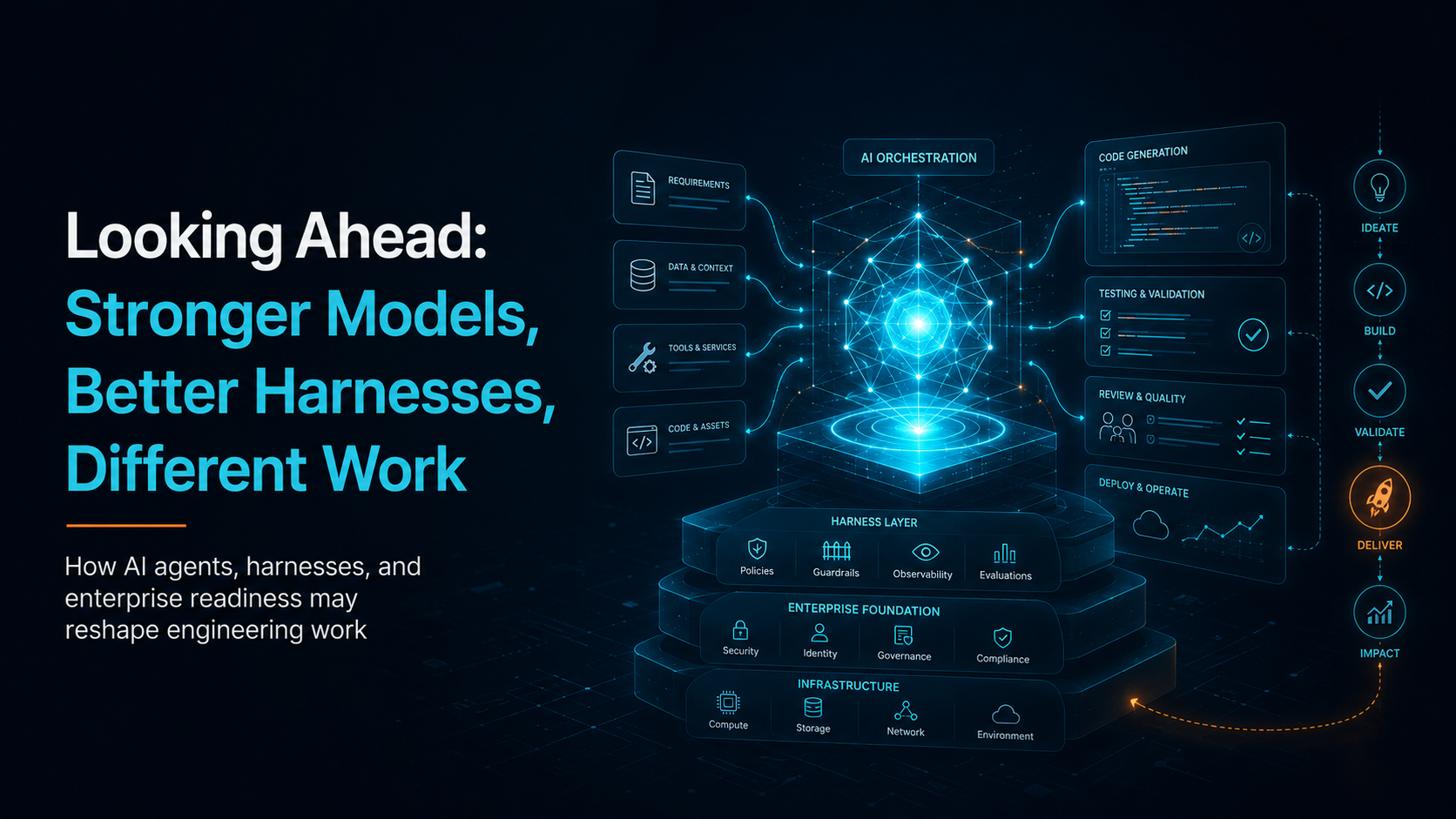
A working assumption on how AI agents could reshape engineering roles, process, quality, speed, and leadership.
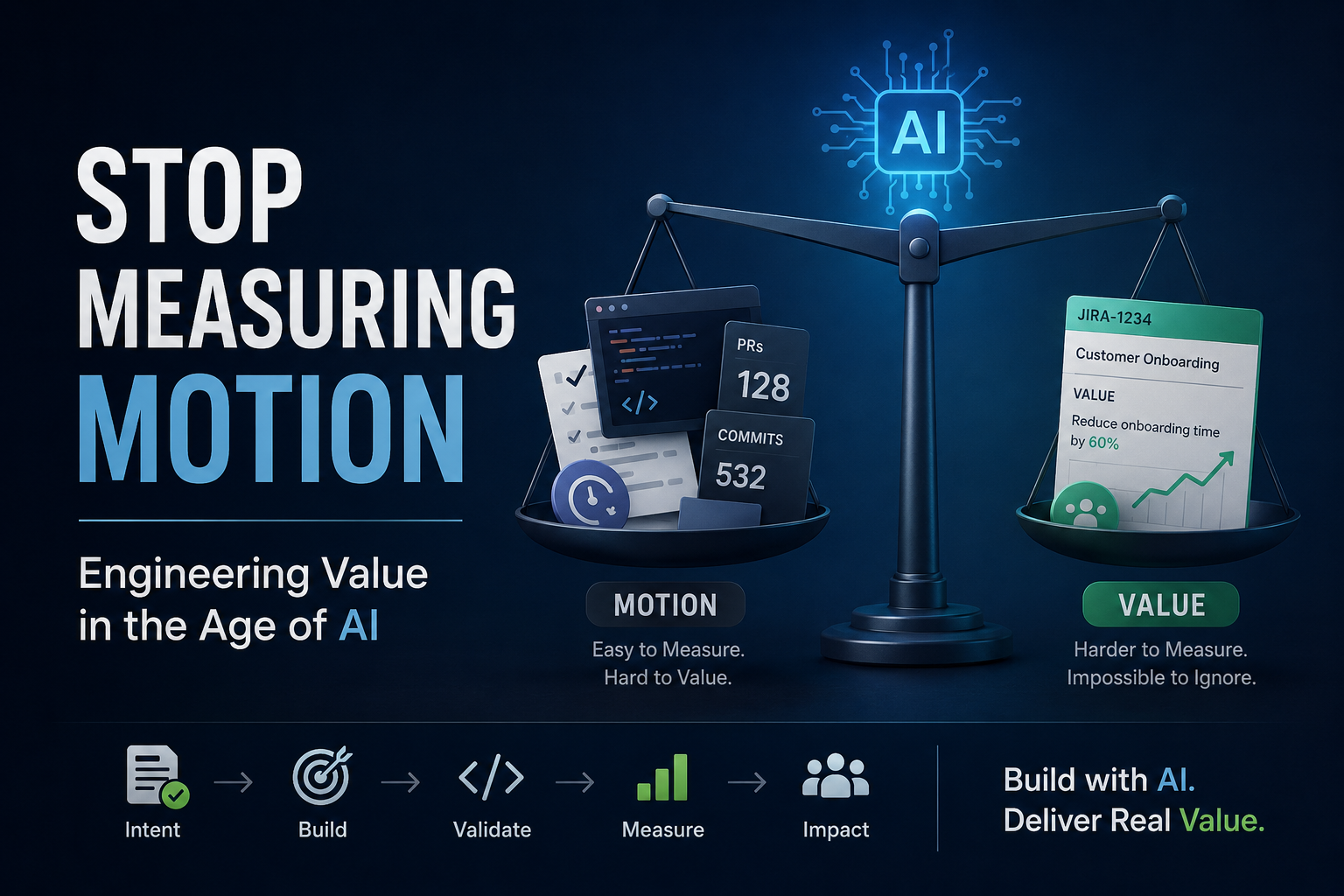
AI makes software activity cheaper. Value-driven development makes sure that activity still points somewhere meaningful.
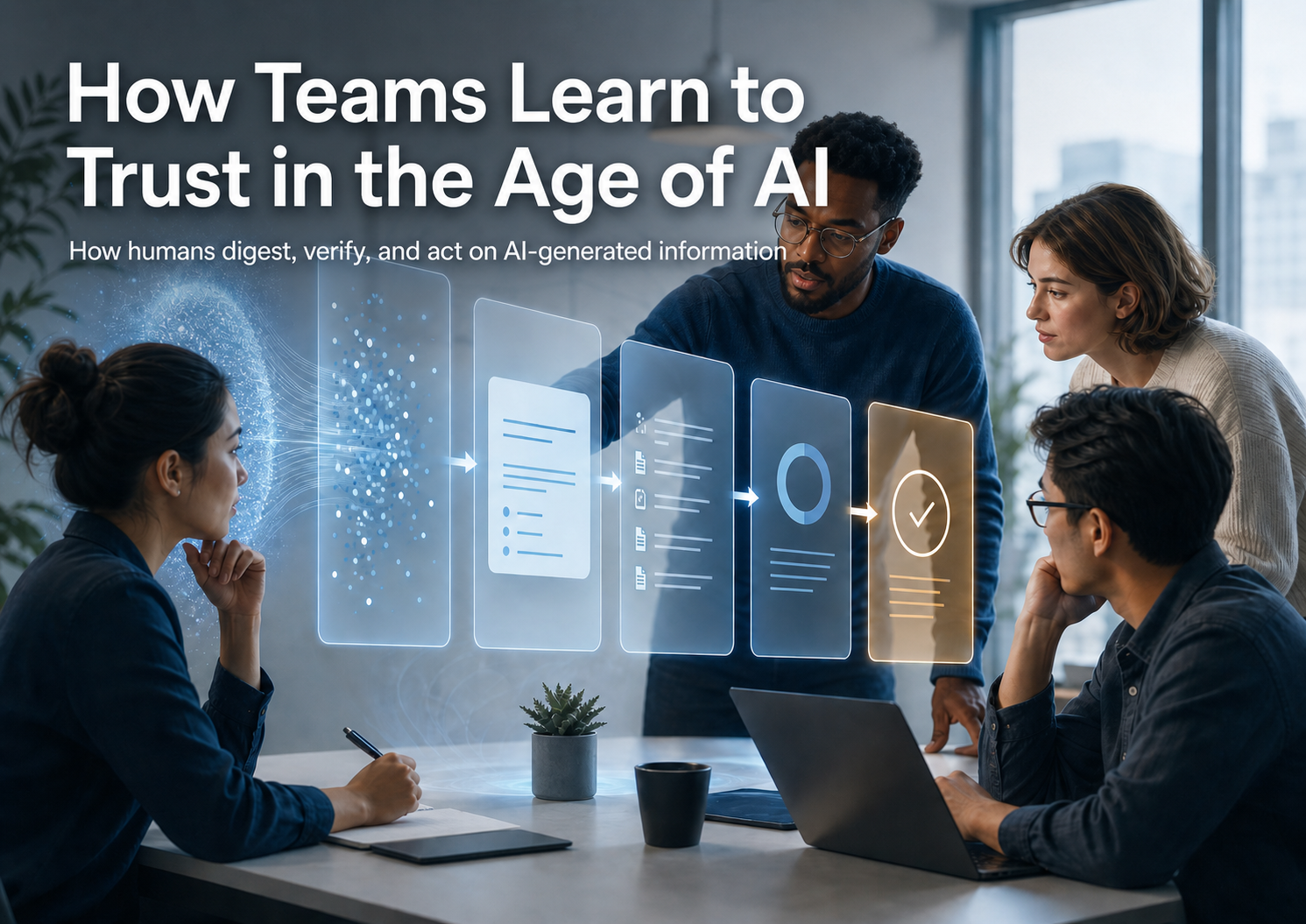
The practical problem is no longer producing more information. It is helping humans digest, verify, and act on it without drowning.
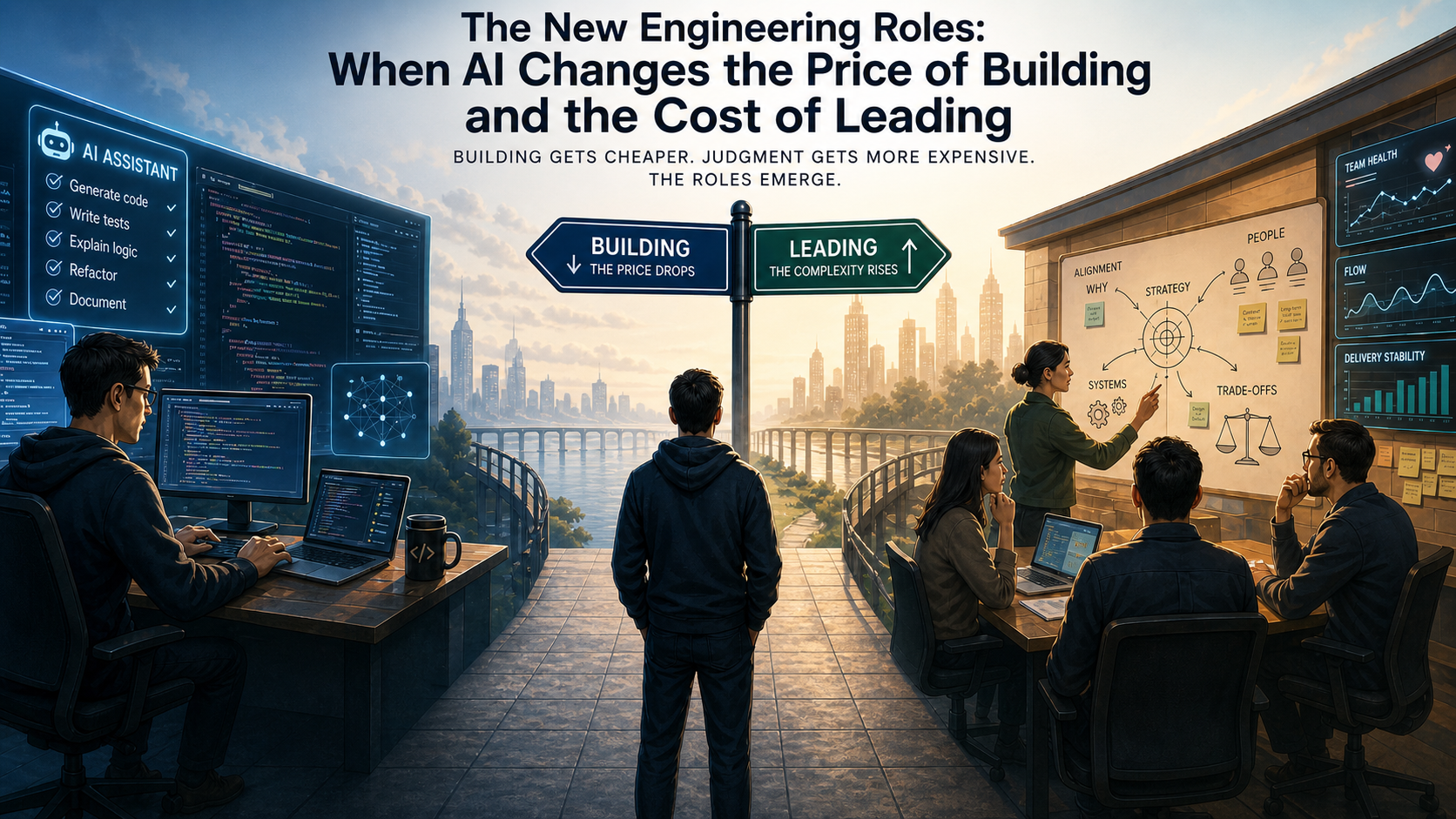
If AI makes software cheaper to produce, what happens to engineers, managers, directors, and the old pay-parity bargain between IC and management tracks?
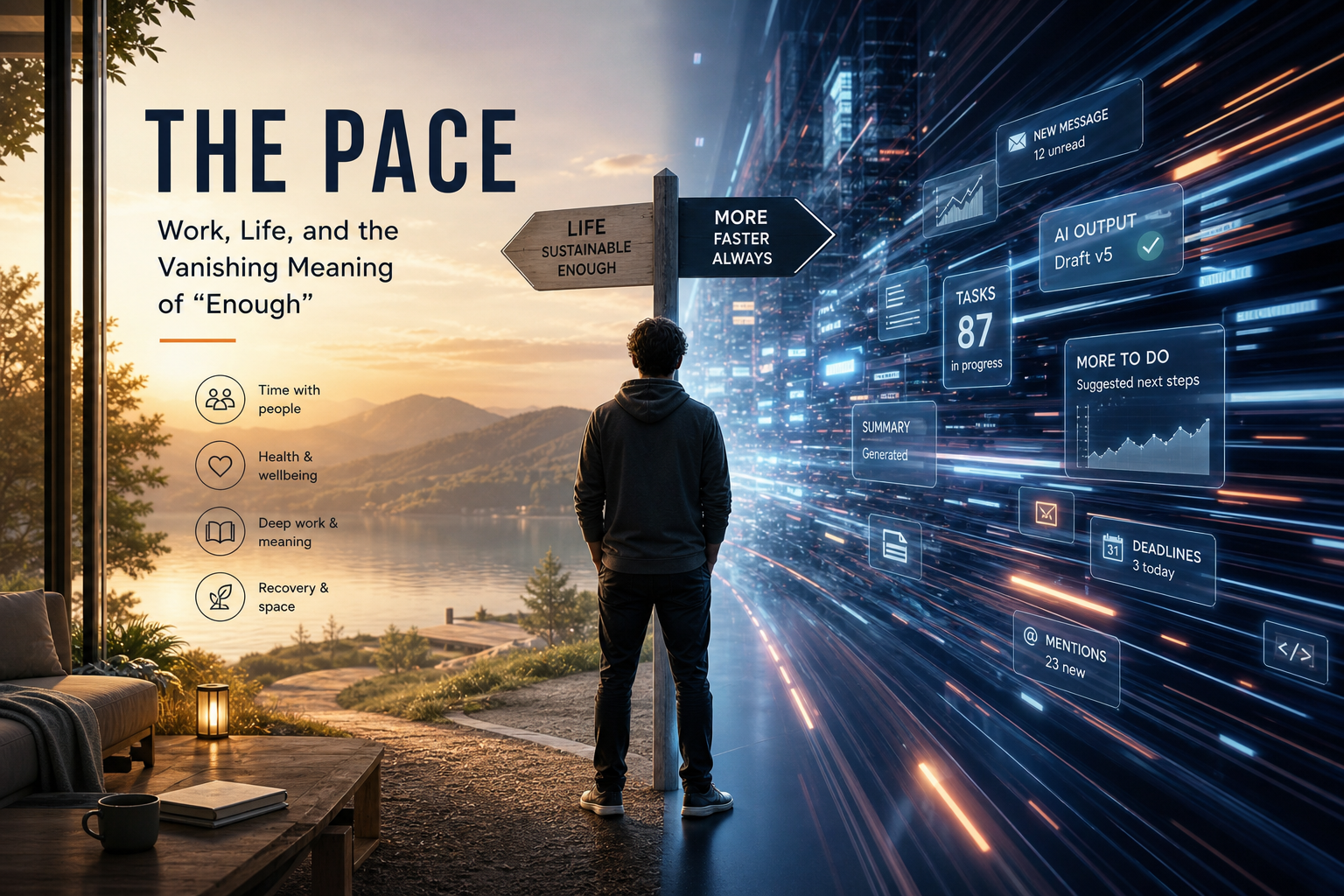
AI does not just make work faster. It destabilizes the shared understanding of what a reasonable day of work looks like.
From AI-driven performance tracking to dynamic compensation — why measurement doesn't eliminate politics, but moves it.
A response to the move from hierarchy to intelligence: why teams still matter for trust, emergence, and resilience.
What happens when continuous robots begin to develop preferences — and why they might prefer human-made objects.

On humanoid robots, and the layers that may quietly form around them.
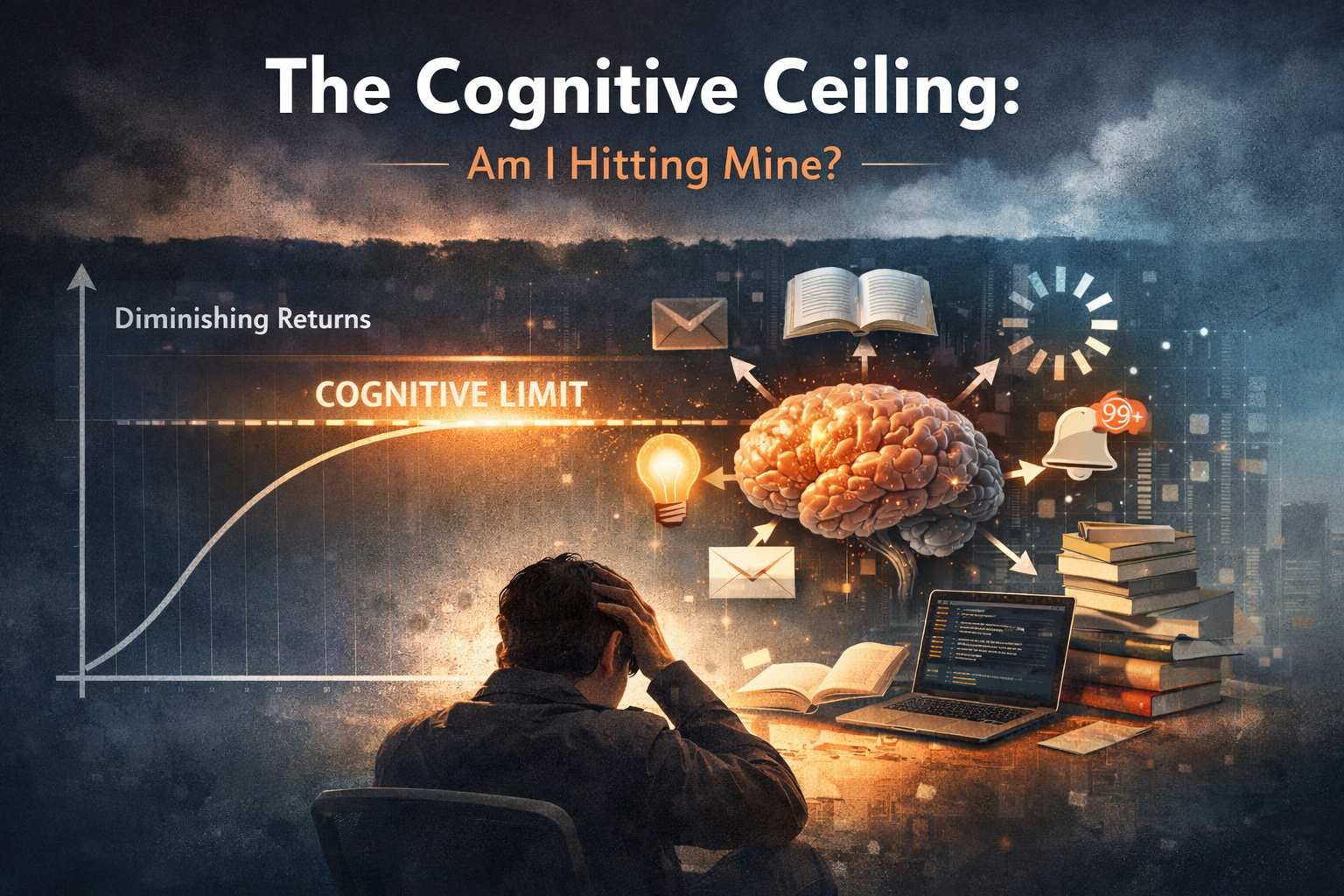
Exploring cognitive limits in the age of AI — how much can we really absorb, and what should actually matter.
A small creative benchmark: asking AI to generate fresh, absurd observations about life with robots — and watching it hit a ceiling.
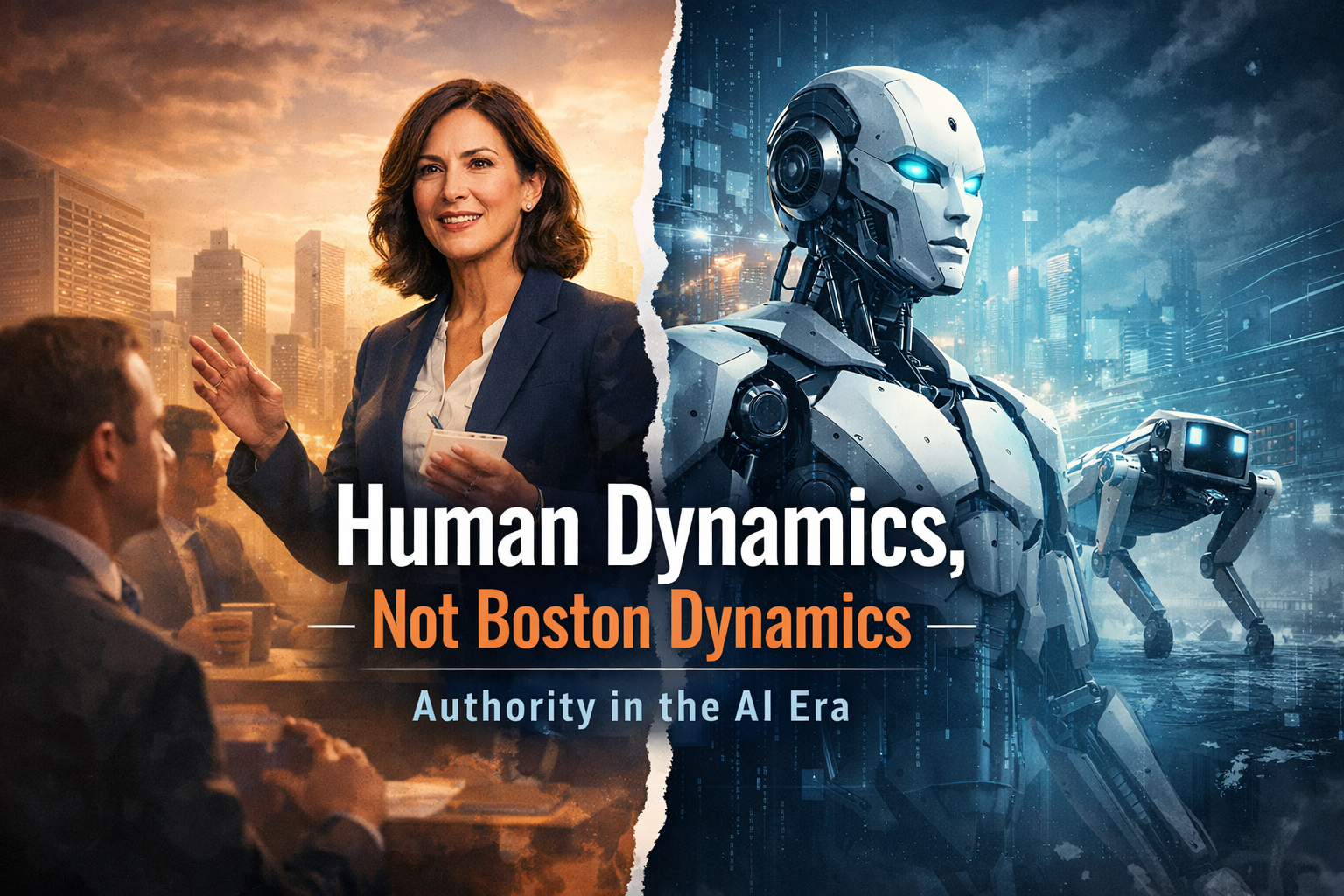
Authority, age, and power when knowledge stops being the divider.
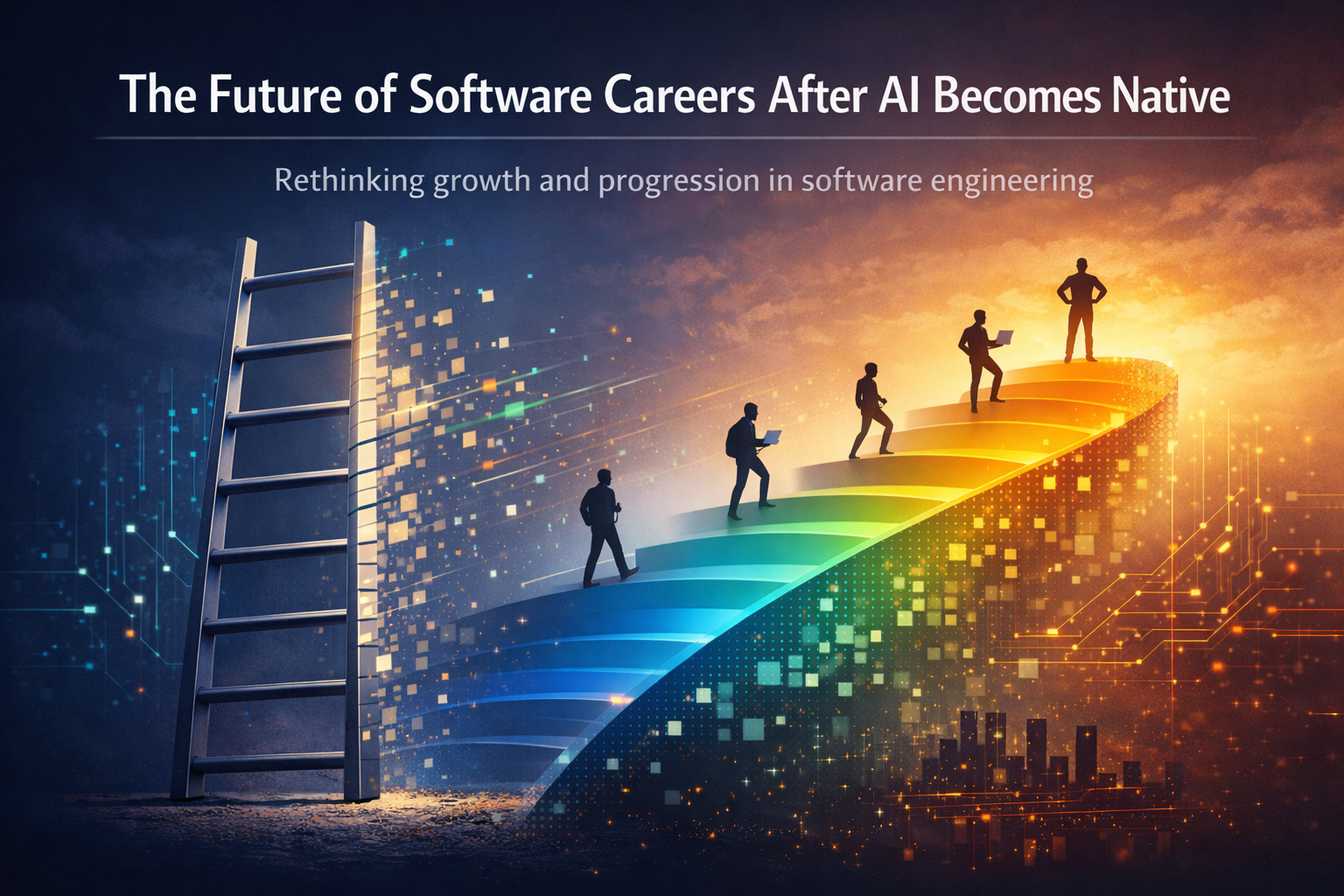
Rethinking growth and progression in software engineering as AI becomes infrastructure.
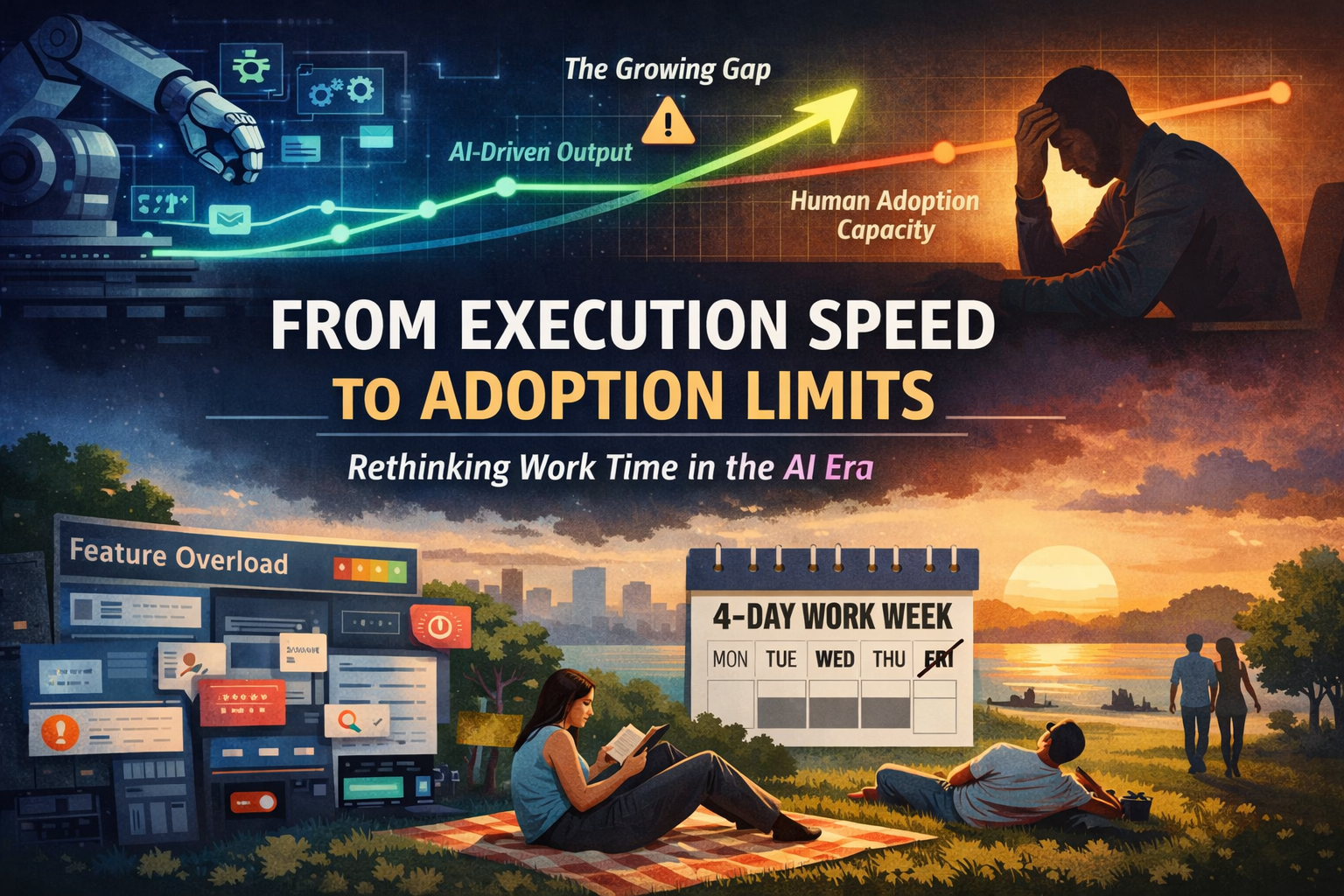
A hypothesis about how organizations may optimize time itself as AI execution speed outpaces human adoption capacity.
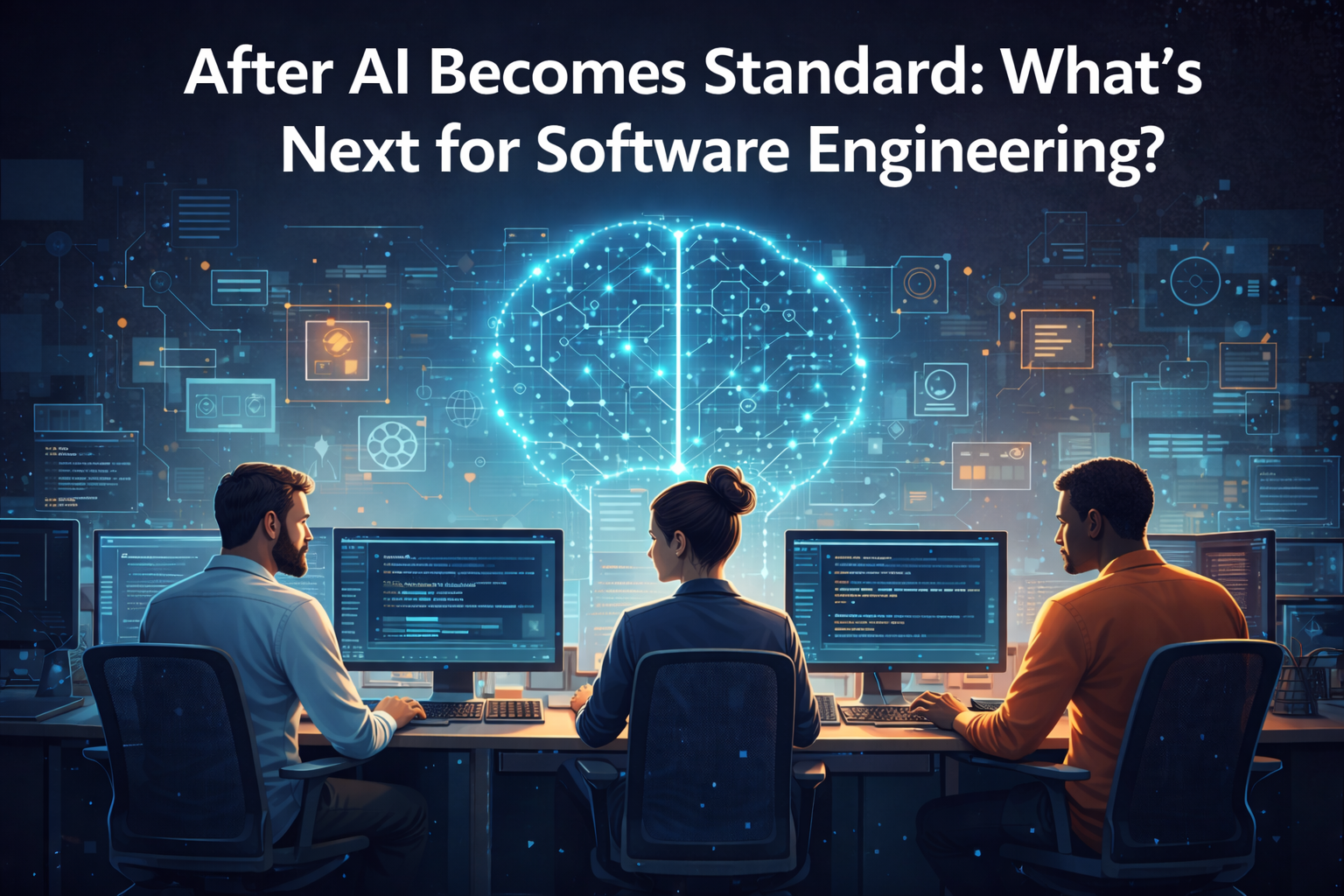
How AI normalization will reshape engineering orgs, employment models, team compression, tempo vs sustainability, and what leaders and engineers must do next.
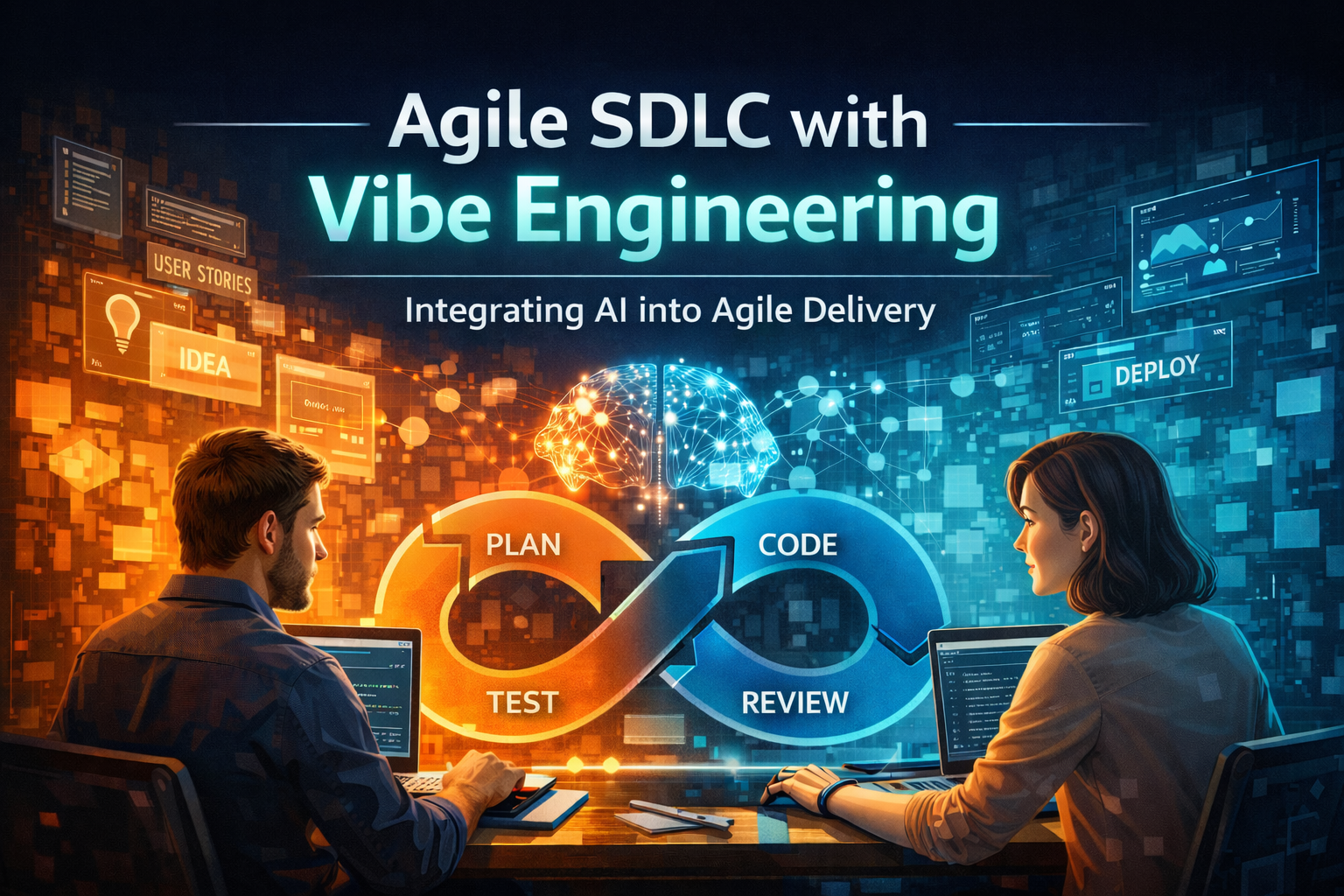
Exploring how AI integrates into Agile workflows as a first-class execution layer, transforming human collaboration into human-AI delivery pipelines.
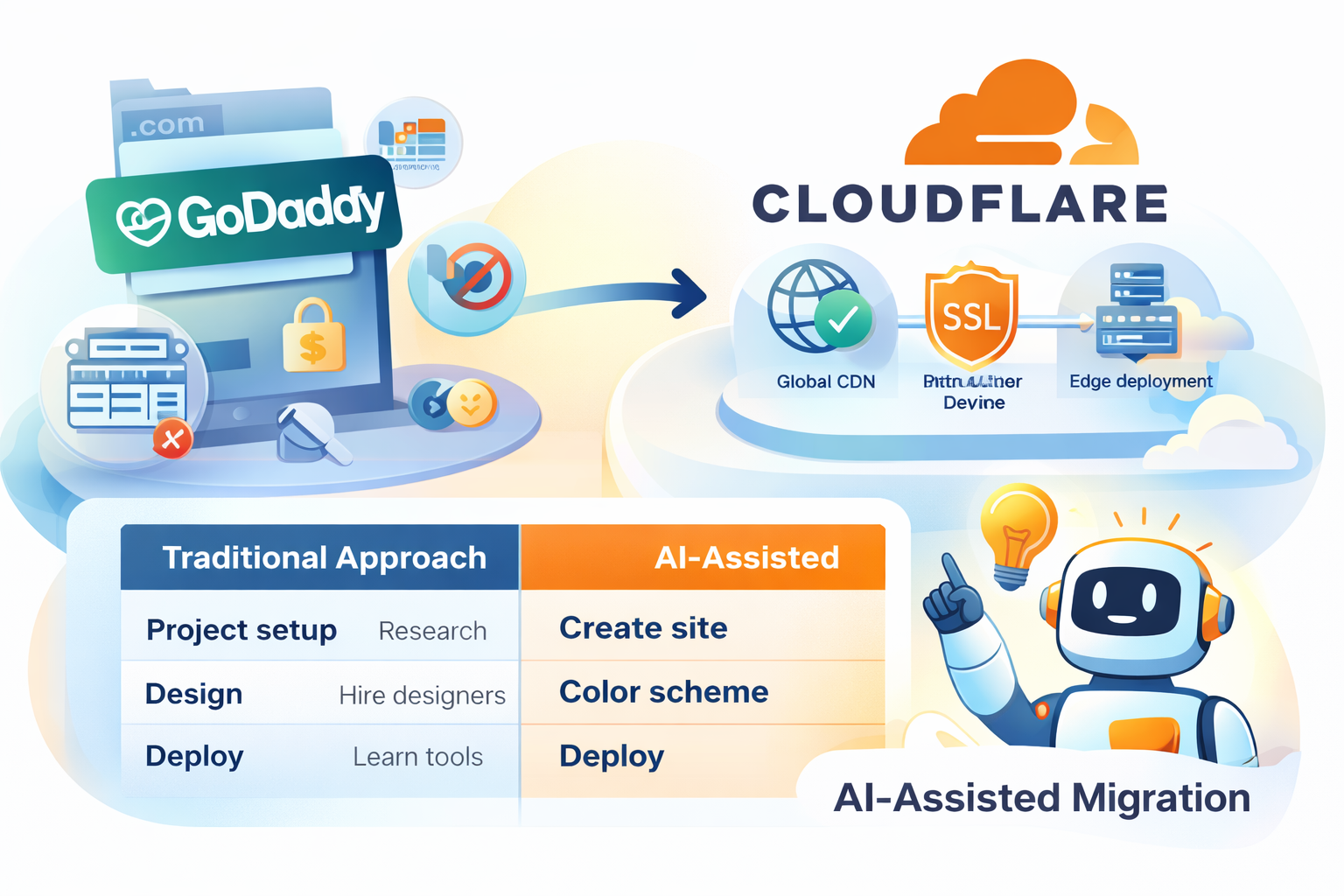
How migrating from GoDaddy to Cloudflare with Claude Code revealed the coming disruption of website builders and CMS platforms.
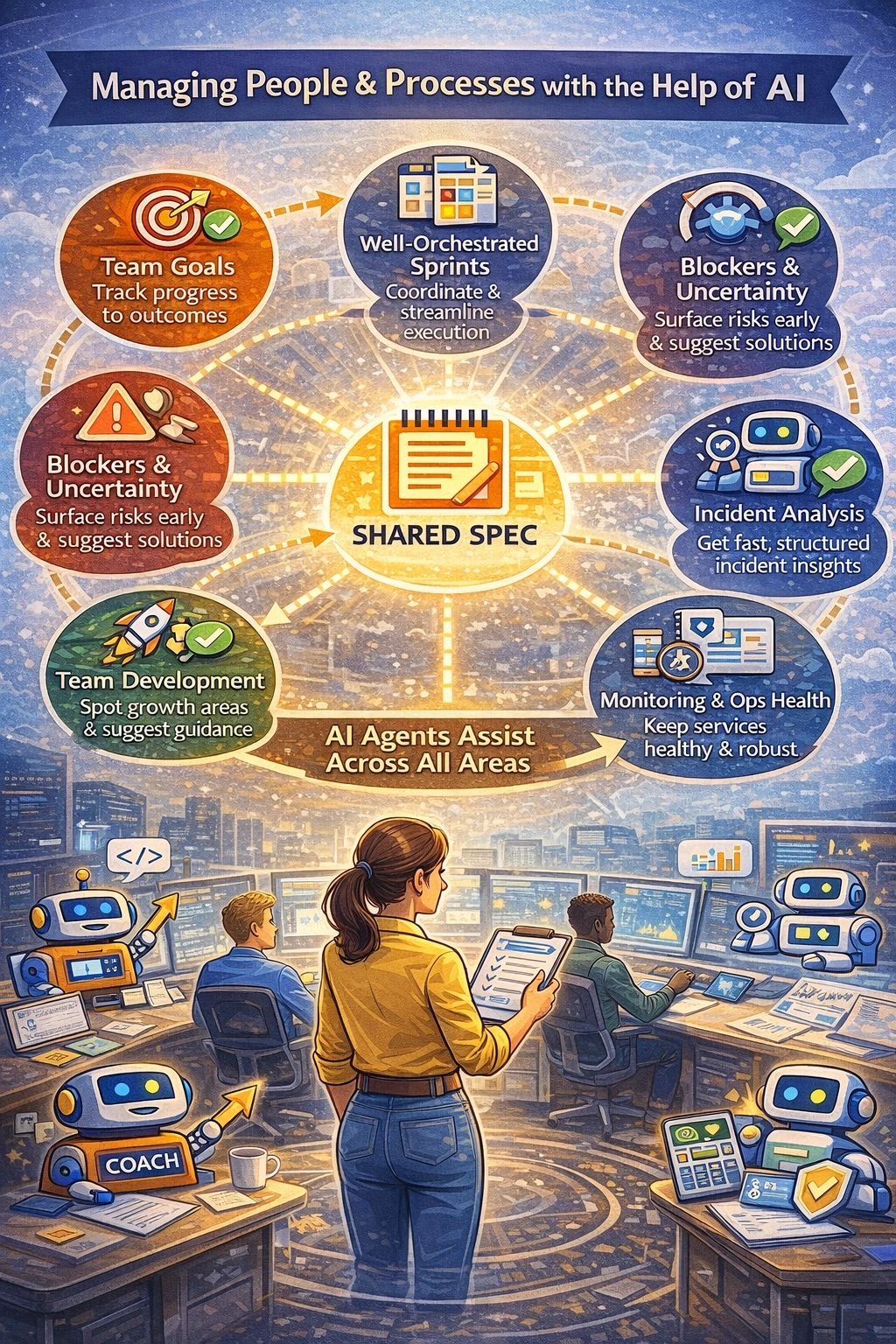
Exploring how artificial intelligence transforms not just how software gets written, but how engineering teams operate, develop, and grow.
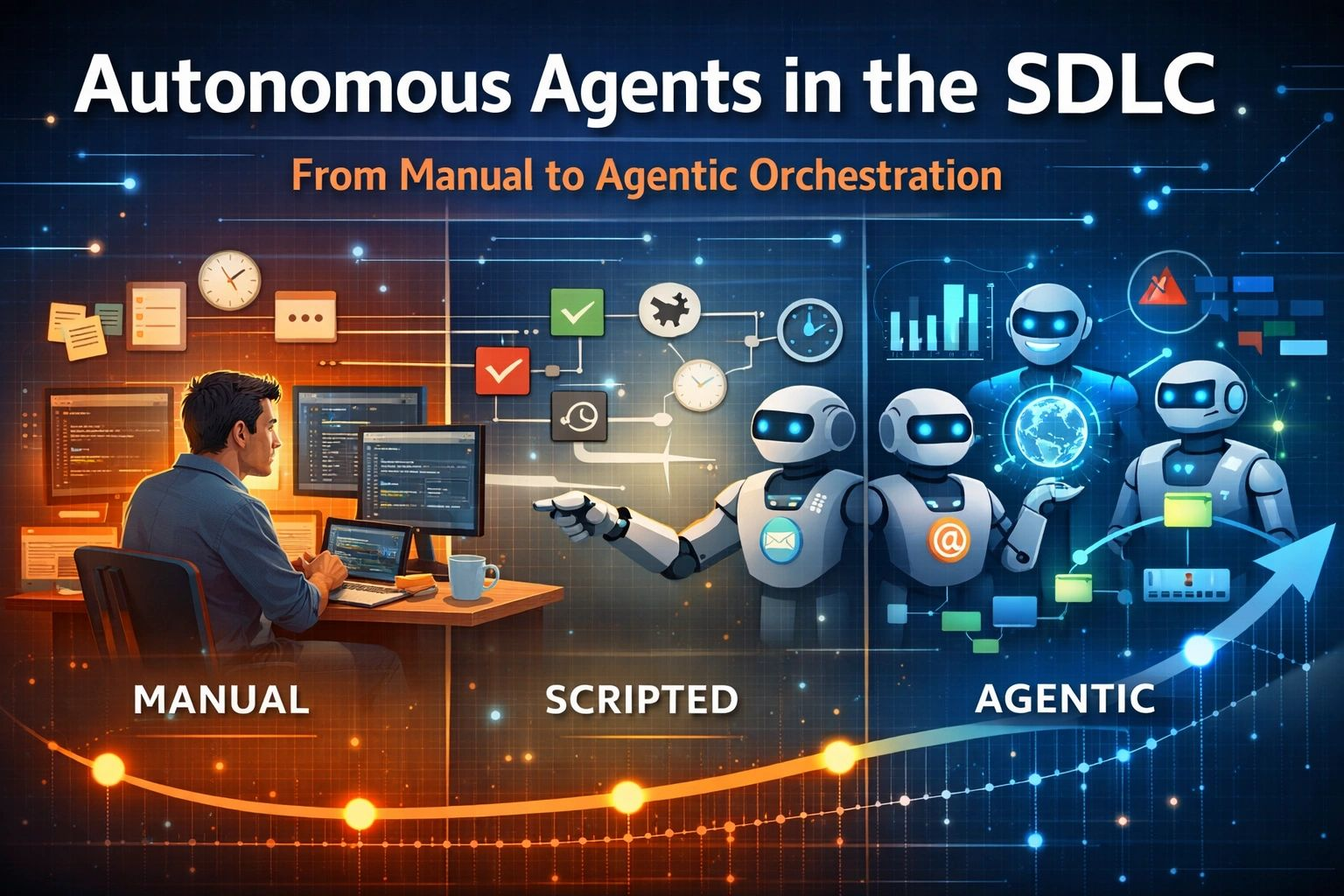
How efficiency gains emerge progressively through five stages of orchestration maturity, from manual control to fully agentic workflows.
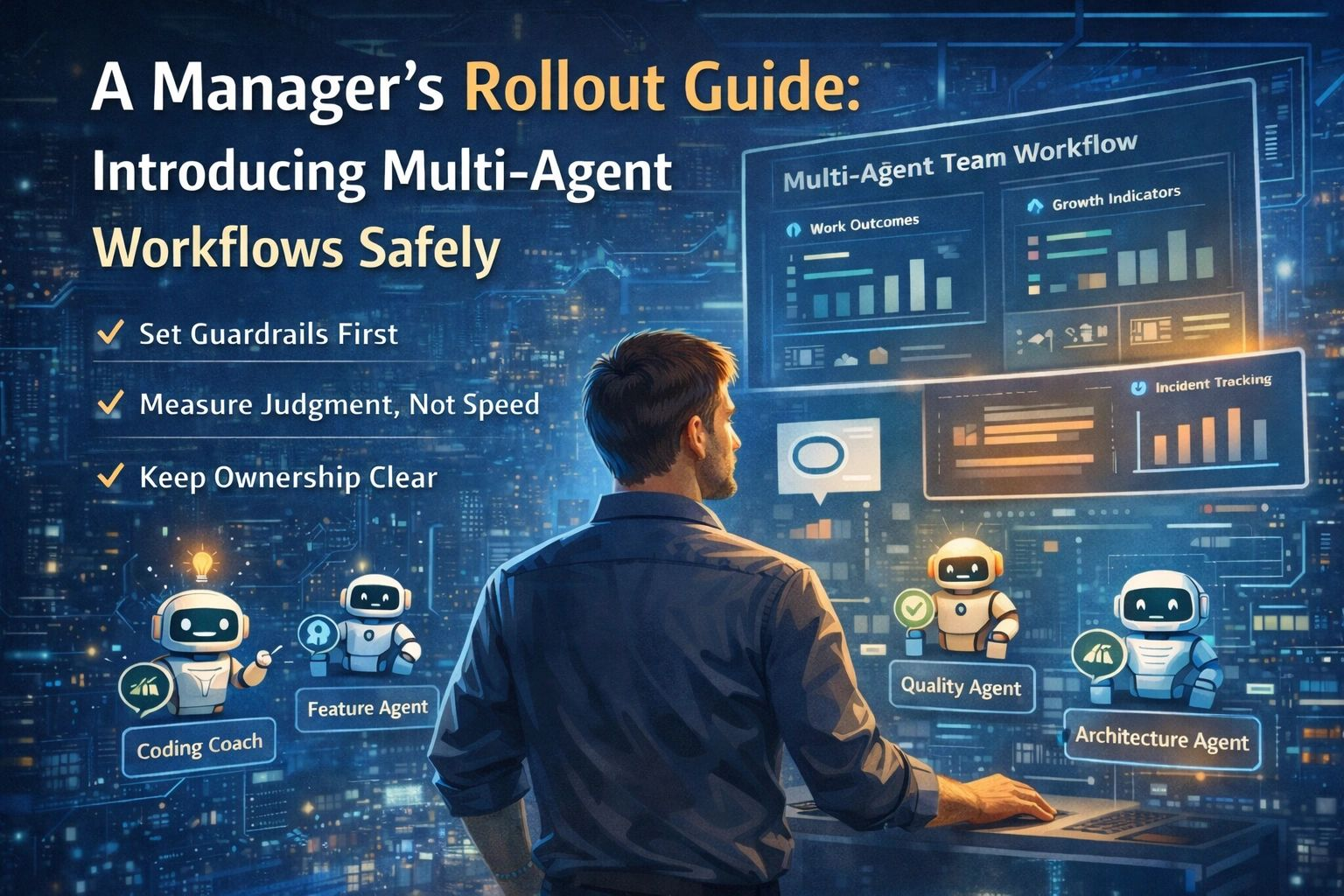
How engineering managers can introduce multi-agent workflows while preserving ownership, judgment, and professional growth.
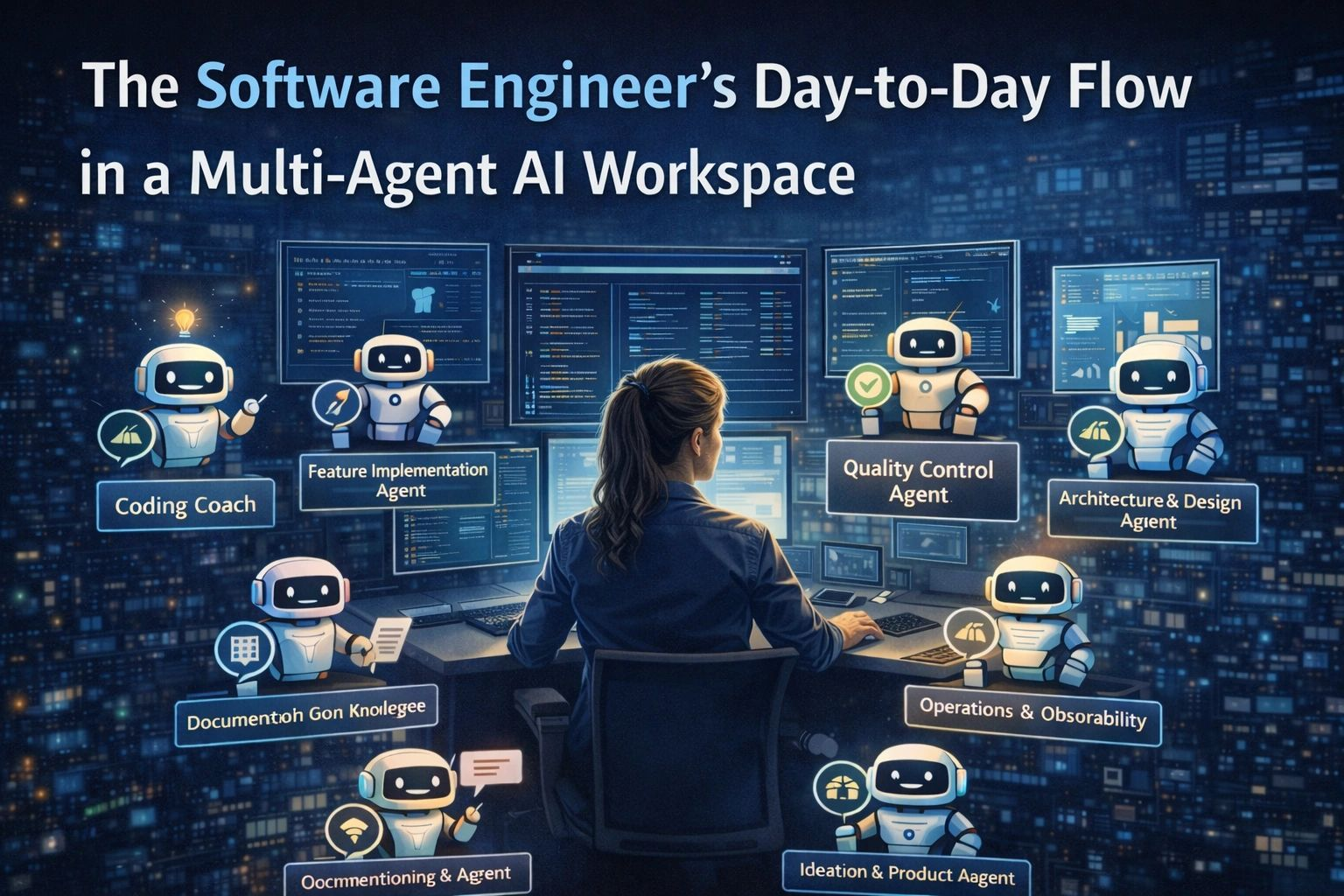
Exploring how modern engineers orchestrate specialized AI agents with distinct responsibilities, evolving from solo work to multi-agent collaboration.

Documenting thinking on AI-driven engineering enterprises and the shift from classic coding to vibe coding.
Why four engineers is the optimal team size in the AI era, balancing nimbleness with resilience.
Thoughts about the role of an Engineering Leader in the world of smaller, faster, AI-assisted teams.

Exploring whether traditional management roles remain necessary as artificial intelligence accelerates engineering execution.
A brief update on experimenting with new approaches and refreshing the site.

Exploring the progression toward self-driving technology and the future of autonomous vehicles.
Subscribe via RSS to get new articles delivered to your favorite reader.